
As electronic equipment, instrumentation, smart control systems, and industrial automation continue to advance, LED displays remain widely used for numerical information because of their clear visibility, fast response, low power consumption, and long operating life. Understanding how LED displays work provides valuable insight into their design, selection, and practical applications.
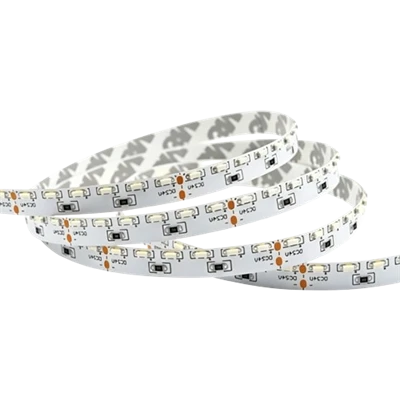
At the heart of an LED digital display are light-emitting diodes, commonly known as LEDs. These semiconductor devices produce light through a process called electroluminescence. When a forward voltage is applied across the PN junction, electrons and holes recombine within the semiconductor material. This process releases energy in the form of light, allowing the LED to emit a visible color determined by its semiconductor materials and design.
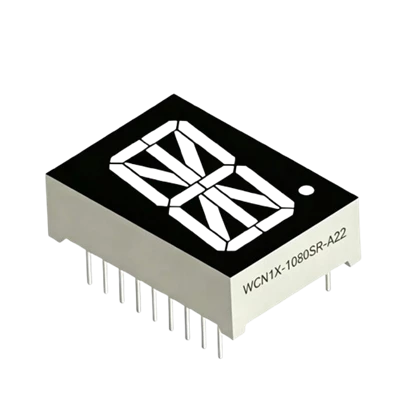
A conventional seven-segment display consists of seven individual LED segments arranged in a pattern that can form numbers and certain letters. By selectively turning these segments on or off, the display can represent different numerical values. For example, displaying the number eight requires all seven segments to be illuminated, while other numbers use specific combinations of segments. Many LED displays also include an additional decimal-point segment, making them suitable for applications such as measuring instruments, counters, and digital control panels.
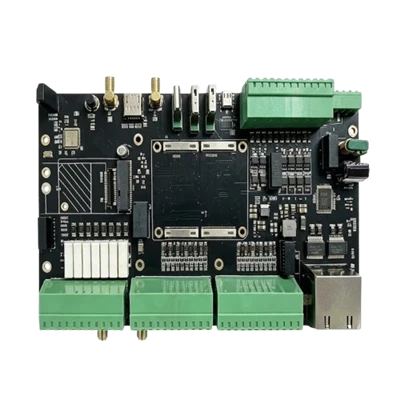
LED displays generally operate together with a control circuit or dedicated driver. The control system converts numerical information into electrical signals, which are then sent to the appropriate LED segments. The driver circuit regulates the current supplied to each segment and determines when individual LEDs are illuminated.
For displays containing multiple digits, multiplexing is commonly used to reduce the number of required control lines and components. Instead of keeping every digit continuously illuminated, the control circuit rapidly activates the digits one at a time. Because the switching occurs at a high frequency, the human eye perceives the sequence as a continuous and stable display. This technique allows multi-digit LED displays to achieve efficient operation while maintaining good visual performance.
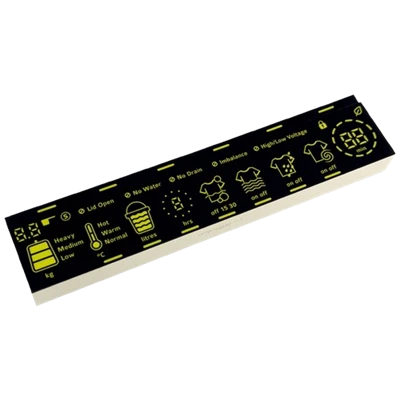
Today, LED digital displays are widely found in electronic instruments, counters, industrial control systems, household appliances, digital clocks, and other information-display equipment. As electronic products continue to move toward smaller sizes, lower power consumption, and higher reliability, LED display technology is also evolving through improvements in brightness, package design, dimensions, and driving methods. These developments continue to make LED displays a practical and dependable choice for a wide range of digital display applications.