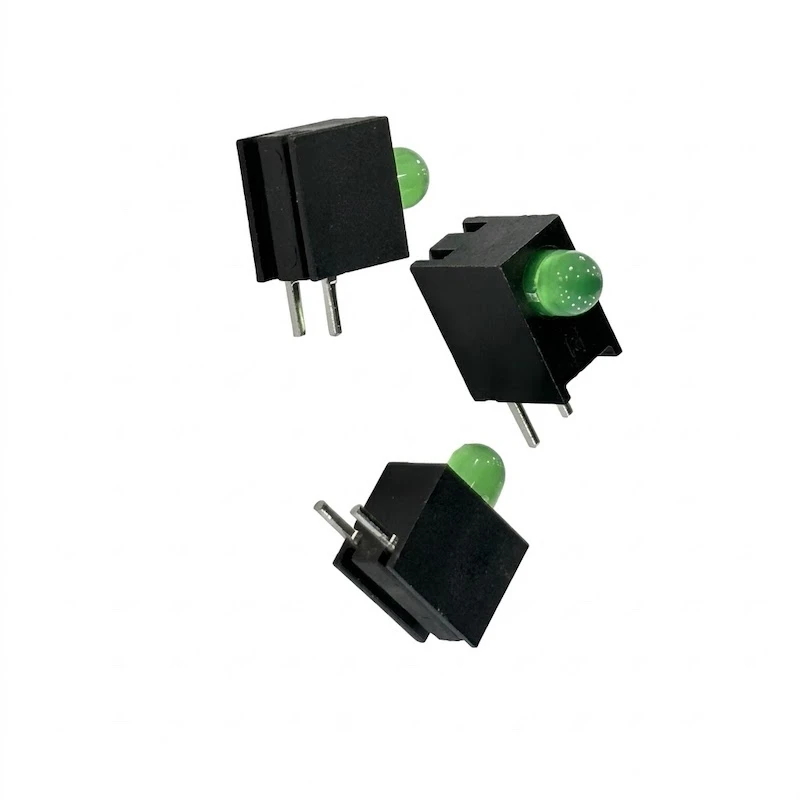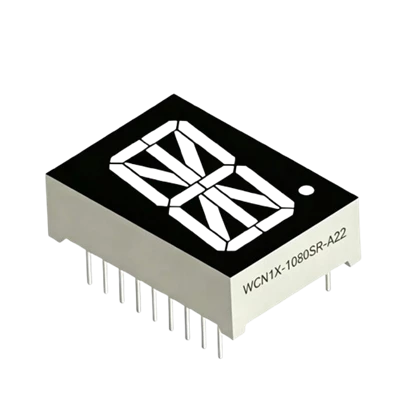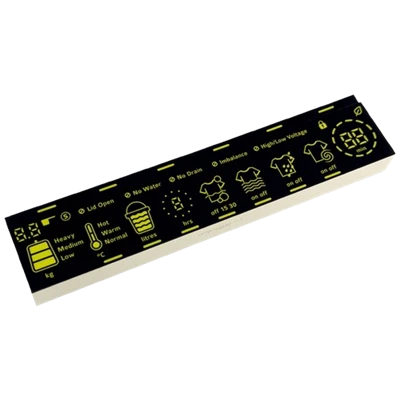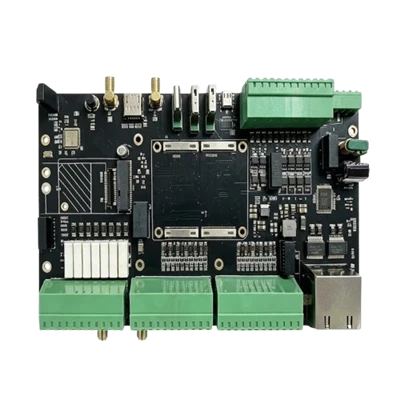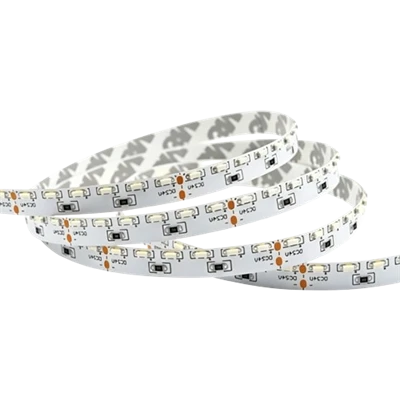

As LED technology and modular design continue to advance, LED multi-hole module lights are finding applications in commercial lighting, illuminated signage, industrial equipment, and decorative installations. Their flexible construction, convenient mounting, and adaptable lighting arrangements allow manufacturers and users to configure lighting solutions for a variety of environments.
An LED multi-hole module typically consists of LED light sources, a printed circuit board, a driver or current-limiting circuit, connecting wires, and mounting features. The term "multi-hole" generally refers to a module with multiple mounting or fixing holes that allow it to be secured with screws, positioned accurately, or attached to other structural components. The exact design varies according to the product's intended application and the manufacturer's specifications.
The fundamental operating principle is electroluminescence in a semiconductor. When an appropriate forward current flows through an LED chip, electrons and holes recombine, releasing energy in the form of photons and producing visible light. The driver circuit supplies the voltage or current required for stable operation. In modules containing multiple LEDs, the circuit may use series, parallel, or combined series-parallel connections, depending on the supply voltage, power requirements, and overall circuit design.
Multiple LEDs can be arranged at specific intervals across the module to create relatively uniform illumination or a more directional lighting pattern. Some products incorporate lenses, diffusers, or reflectors to adjust the beam angle and illuminated area. These optical features make the modules suitable for applications such as channel letters, display panels, equipment indicators, and localized lighting.
Thermal management and electrical safety are essential for reliable operation. LEDs generate heat during use, which must be transferred away through the circuit board, mounting substrate, or dedicated heat-dissipation structures. Installers should use a compatible power supply, operate the module within its specified current range, and ensure that mounting points and electrical connections are secure. These measures help prevent overheating and connection failures that could shorten the product's service life.
As demand for energy-efficient lighting and flexible installation solutions grows, LED multi-hole modules are evolving toward higher luminous efficacy, easier installation, and more convenient maintenance. Improvements in circuit design, LED placement, and thermal management will further enhance their performance and reliability across a wide range of lighting applications.