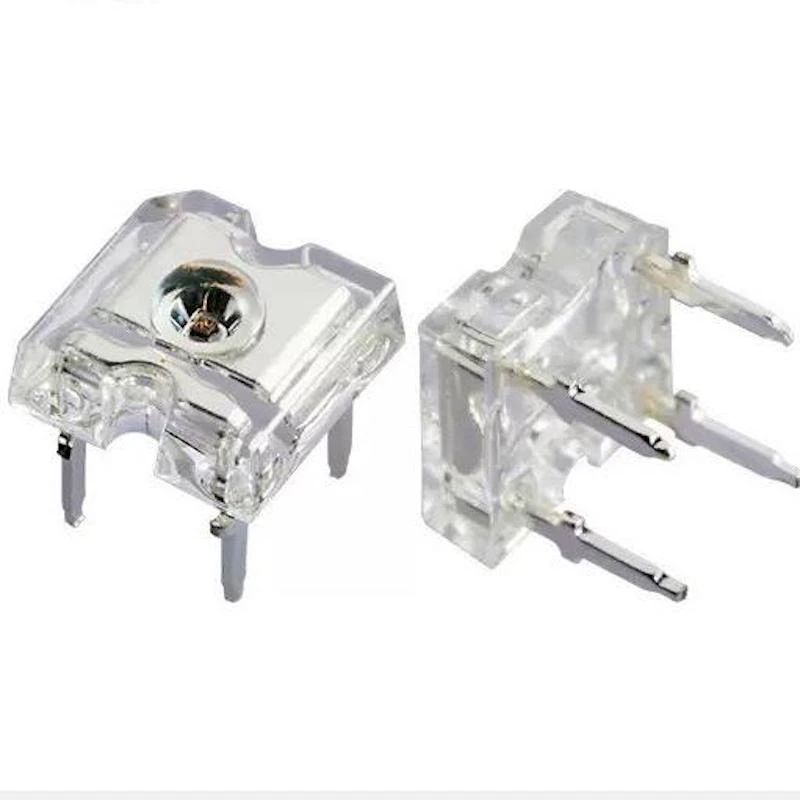

As LED technology and electronic manufacturing continue to advance, through-hole LEDs remain widely used in household appliances, industrial control systems, electronic instruments, automotive electronics, signal indicators, and decorative lighting. Their simple construction, convenient installation, fast response, and broad range of available colors make them versatile components in modern electronic products. In addition to providing basic illumination, they communicate equipment status through visual signals, improving usability and operational efficiency.
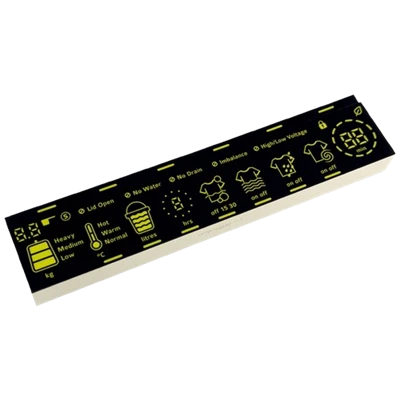
In household appliances, through-hole LEDs are commonly used as status indicators in televisions, air conditioners, washing machines, chargers, and other electronic devices. Red, green, and blue indicator lights can communicate power status, operating modes, or charging progress, allowing users to understand a device's condition at a glance. These applications typically require clear visibility, low power consumption, and reliable long-term operation.
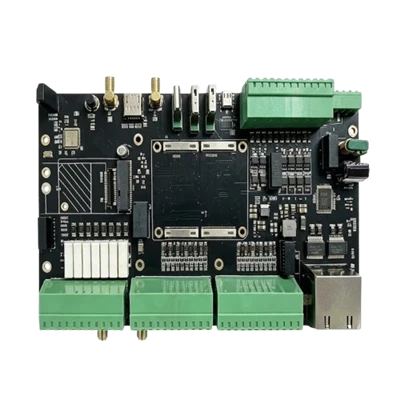
Industrial control systems and electronic instruments are another major application area. Through-hole LEDs are frequently installed on control panels, testing equipment, measuring instruments, and automation systems. By assigning different colors to operating, standby, warning, and fault conditions, manufacturers can help operators identify equipment status quickly and improve routine operation and maintenance.
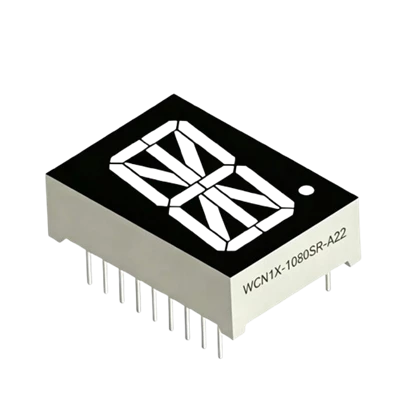
Through-hole LEDs are also used in small lighting devices, illuminated signs, decorative fixtures, and certain display products. Different colors, brightness levels, and viewing angles allow designers to meet a variety of visual requirements. By combining multiple LEDs, manufacturers can create simple lighting effects and multicolor displays that enhance the appearance of electronic products.
Additional applications include automotive dashboards, interior status indicators, communication equipment, and educational laboratory devices. Their lead-based package design makes them relatively straightforward to install and solder onto printed circuit boards. However, products intended for automotive or other demanding environments must be selected according to the relevant temperature, vibration, and reliability requirements.
To achieve dependable performance, buyers should evaluate key specifications such as forward voltage, operating current, luminous intensity, viewing angle, and package dimensions. The circuit should also include an appropriate current-limiting resistor or driver, as required by the LED's specifications. Correct electrical matching helps maintain stable light output and extend service life.
As smart electronics and industrial automation continue to develop, through-hole LEDs will remain useful for status indication, signal feedback, and auxiliary lighting. Their versatility and straightforward integration make them a practical lighting solution for a wide range of electronic applications.