
Choosing the Right LED Seven-Segment Display for Reliable Performance
As electronic technology and industrial automation continue to advance, LED seven-segment displays are widely used in industrial instruments, electronic scales, household appliances, counters, and digital display terminals. With a variety of sizes, configurations, and performance characteristics available, selecting the right display has become an important consideration for product designers, purchasing teams, and system integrators. Careful selection can improve readability while ensuring reliable and consistent equipment performance.
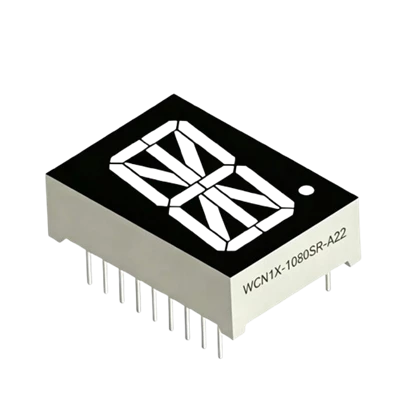
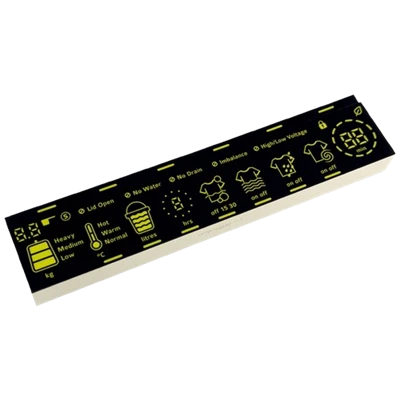
The first step is to determine the required number of digits and character types. LED displays are available in single-digit, two-digit, four-digit, and multi-digit configurations. For applications such as electronic scales and counters, the number of digits should match the expected range of values. If the application requires decimal points, letters, or special symbols, buyers should verify that the selected model supports these functions.
Electrical specifications are another key consideration. Buyers and engineers should review the operating voltage, forward voltage, operating current, and driving requirements to ensure compatibility with the control circuit. LED seven-segment displays generally use either a common-anode or common-cathode configuration. Since these designs differ in their electrical connections and driving logic, the manufacturer's datasheet should be checked carefully before a final selection is made.
Display quality also deserves close attention. Brightness, emission color, character size, and viewing angle can vary significantly between models. For indoor instruments, the display size and brightness should be appropriate for the intended viewing distance. In industrial environments with strong ambient lighting, models with better visibility may be more suitable. Buyers should also confirm that the dimensions, mounting method, and pin layout are compatible with the equipment's available space and circuit design.
Environmental conditions and product reliability are equally important. For equipment exposed to high temperatures, humidity, vibration, or continuous operation, buyers should examine the rated operating temperature, package protection, and relevant reliability specifications. Working with reputable suppliers that provide complete technical documentation can also help reduce selection risks.
As electronic devices become more compact, energy-efficient, and highly integrated, selecting an LED display requires a balanced assessment of functionality, performance, cost, and operating conditions. By defining application requirements, verifying key specifications, and evaluating product quality, users can choose the most suitable model and support dependable long-term equipment operation.