
Advances in LED Strip Design Expand Flexible Lighting Applications
As LED lighting technology continues to evolve, LED strip lights are becoming increasingly popular in residential interiors, commercial spaces, architectural lighting, and outdoor landscaping. Their flexibility, ease of installation, energy efficiency, and versatility make them suitable for a wide range of lighting applications. Their structural design plays a vital role in determining light output, service life, installation options, and resistance to environmental conditions.
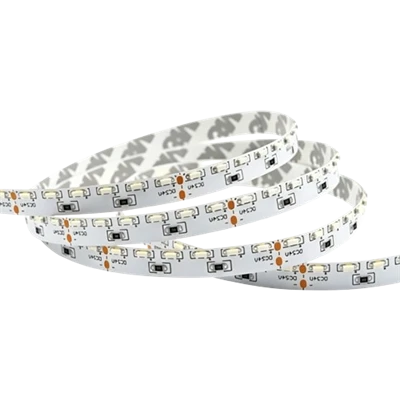
A typical LED strip consists of a flexible printed circuit board (FPCB), LED chips or packages, current-limiting or driver components, connection pads, and a protective layer. The flexible circuit board forms the foundation of the strip and is commonly made from a flexible copper-clad substrate. It can bend or conform to different surfaces, making installation easier in spaces with curved edges or irregular shapes. Copper traces on the board carry electrical current and connect the individual lighting components.
LEDs are the core components responsible for producing light. Depending on the product design, a strip may use single-color LEDs, dual-color LEDs, or RGB LEDs capable of producing multiple colors. Different LED densities and control methods allow manufacturers to create products for general illumination, decorative accents, and dynamic lighting effects. Some models also incorporate smart control systems that enable users to adjust brightness, color temperature, and light color.
From an electrical perspective, LED strips may use series, parallel, or combined series-parallel configurations. The circuit arrangement affects operating voltage, current distribution, and the maximum practical length that can be powered effectively. To maintain consistent illumination, designers must select suitable driver circuits and current-limiting components based on the electrical characteristics of the LEDs. Voltage drop must also be considered in longer installations.
The protective layer is another important structural element. Common designs include uncoated circuit boards, protective film coverings, and encapsulation with silicone or other materials. Each construction method provides a different level of protection against dust, moisture, and mechanical damage. For installations in kitchens, bathrooms, or outdoor environments, the appropriate ingress protection rating should be selected according to actual conditions. Power supplies and electrical connections must also meet relevant safety requirements.
As smart homes and architectural lighting continue to develop, LED strip technology is moving toward higher efficiency, more flexible control, and improved environmental protection. Advances in circuit layout, packaging, and thermal management will further enhance lighting quality and reliability, providing versatile solutions for an expanding range of applications.