
Optimized PCBA Design Drives Efficient Integration and Innovation in Electronics Manufacturing
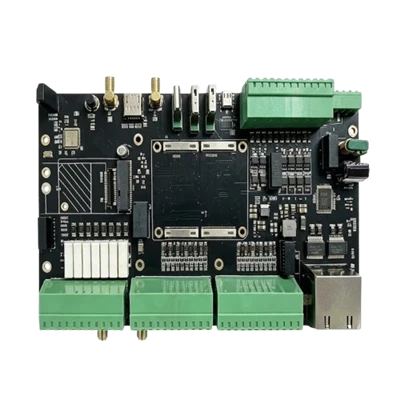
As electronic technology and smart manufacturing continue to advance, printed circuit board assembly (PCBA) design has become a critical part of electronic product development. A well-designed PCBA not only improves manufacturing efficiency and controls production costs but also affects electrical performance, thermal management, and long-term reliability. Design strategies that emphasize functional integration, optimized component placement, manufacturability, and quality assurance are increasingly important across the electronics industry.
Functional requirements provide the foundation for PCBA design. At the initial stage, engineers must define the product's intended application, circuit functions, power requirements, signal transmission methods, and interface configurations. Appropriate components are then selected to meet these requirements. By optimizing circuit architecture and component placement, designers can make better use of available board space while supporting the development of smaller and lighter electronic devices.
Efficient component placement is another essential design consideration. Engineers must account for electrical connectivity, signal integrity, power distribution, and heat dissipation. In high-speed circuits, routing length, impedance control, and electromagnetic interference require particular attention. Power components, meanwhile, need adequate thermal management to prevent excessive temperatures from compromising system stability. A carefully planned layout helps improve circuit performance and reduce the risk of potential failures.
Design for manufacturability is equally important. Designers should consider the capabilities of pick-and-place machines, component package specifications, pad dimensions, and solder paste printing requirements. Appropriate component spacing and soldering areas can improve assembly accuracy and reduce production defects. The design should also accommodate automated optical inspection, functional testing, and future maintenance, making the entire manufacturing process more efficient.
Reliability and cost management must remain priorities throughout the design process. Selecting dependable components, following sound circuit design practices, optimizing the bill of materials, and conducting appropriate design verification can help reduce manufacturing risks and long-term maintenance expenses. Close collaboration among engineering, procurement, production, and quality assurance teams is also essential to ensure that the design can be translated into a practical, manufacturable product.
As electronic devices become more integrated, energy-efficient, and intelligent, PCBA design will increasingly focus on balancing performance, manufacturability, and cost. By refining design practices and strengthening cooperation across the manufacturing process, companies can improve product competitiveness and support the sustainable development of the electronics industry.