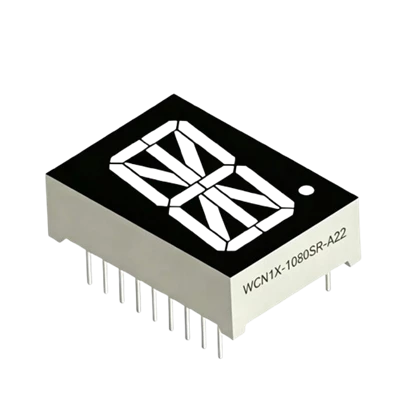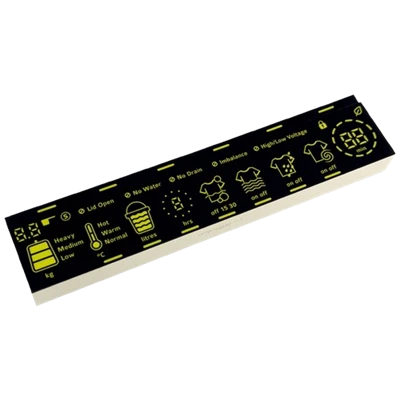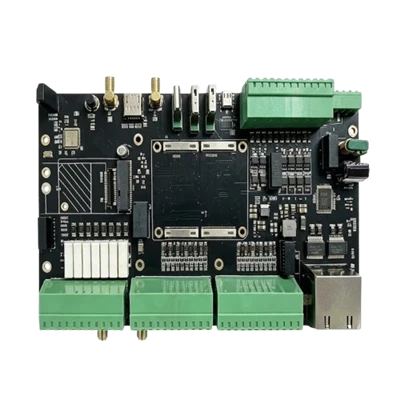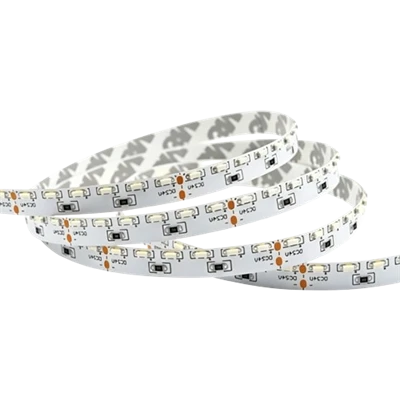

As electronic technology and industrial automation continue to advance, LED seven-segment displays are widely used in industrial instruments, electronic scales, household appliances, counters, and other digital display equipment. To maintain clear visibility, extend service life, and ensure reliable operation, users should pay close attention to electrical specifications, driver circuit design, installation procedures, operating conditions, and routine maintenance.
The first priority is to operate the display within its specified electrical limits. LED seven-segment displays contain multiple light-emitting diodes, each with defined electrical requirements. An appropriate driver circuit should be selected according to the manufacturer's datasheet, and current should be regulated using suitable current-limiting resistors or constant-current drivers. Excessive current can cause abnormal brightness, overheating, or permanent damage. The supply voltage must also remain within the specified range to prevent fluctuations from affecting display performance.
Correct pin connections are equally important during installation. Different models may use either a common-anode or common-cathode configuration, resulting in different pin assignments and driving requirements. Before installation, users should consult the product datasheet and verify each pin's function. Incorrect wiring may lead to display malfunctions or component damage. During soldering, temperature and exposure time should be carefully controlled to minimize potential damage to the internal chips and package structure.
Operating conditions also have a significant impact on reliability. LED displays should be protected from prolonged exposure to excessive heat, high humidity, strong vibration, and corrosive gases. Where dust or liquid exposure is possible, appropriate protective measures should be implemented. Circuit designers should also provide adequate heat dissipation to ensure that the display operates within its rated temperature range.
Routine inspections can help identify potential problems before they affect equipment performance. Users should check display brightness, character integrity, electrical connections, and power supply conditions regularly. For multi-digit displays, appropriate scanning frequencies and timing settings are necessary to prevent flickering, ghosting, and uneven brightness. Cleaning should be carried out carefully to avoid scratching the display surface or damaging its protective packaging.
As electronic equipment increasingly demands greater accuracy and reliability, proper handling and maintenance of LED seven-segment displays have become essential. By verifying specifications, ensuring correct installation, regulating current, and maintaining suitable operating conditions, users can reduce the risk of failure and extend component service life. These practices help ensure clear, stable, and dependable numerical displays across a wide range of applications.