
As electronic technology continues to advance, printed circuit board assembly (PCBA) and surface-mount technology (SMT) have become essential to the development of modern consumer electronics. From smartphones and household appliances to wearable devices and home security systems, these manufacturing processes support the production of smaller, smarter, and more efficient electronic products.
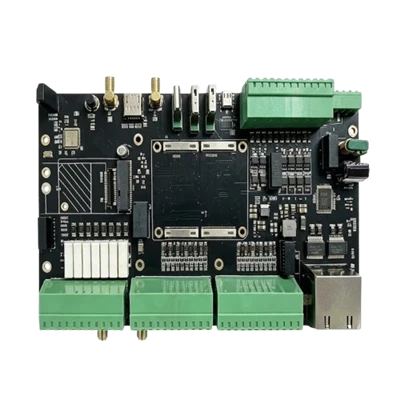
PCBA refers to the assembly of electronic components onto a printed circuit board. Using SMT and other assembly methods, manufacturers mount components such as resistors, capacitors, integrated circuits, and other electronic devices onto a circuit board and solder them in place to create a functional electronic assembly. Compared with conventional assembly methods that rely more heavily on through-hole components, SMT enables compact component placement, higher production efficiency, and greater compatibility with automated manufacturing. These advantages also help improve product consistency and integration.
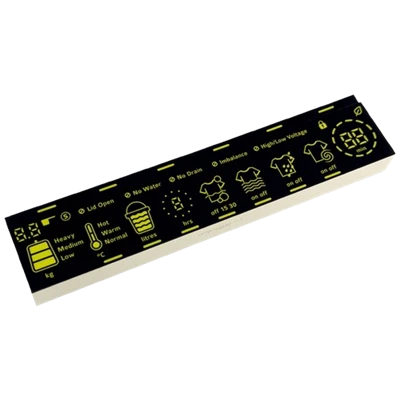
Smartphones and tablets are among the most familiar examples of PCBA applications. Their processors, memory chips, power management components, and communication modules must work together through carefully designed and assembled circuit boards. In household appliances such as televisions, air conditioners, washing machines, and microwave ovens, PCB assemblies manage operating functions, process sensor signals, and regulate power. This allows appliances to support features such as temperature control, automated operation, and intelligent settings.
Wearable electronics also depend heavily on PCBA technology. Smartwatches and fitness trackers must accommodate processors, sensors, wireless communication modules, and power management circuits within a limited space. High-density surface-mount assembly helps manufacturers optimize internal layouts, enabling lightweight designs without sacrificing essential functionality.
PCBA technology is equally important in smart home products, including electronic door locks, surveillance cameras, smart lighting systems, and home gateways. Their circuit boards support data processing, signal transmission, and device control, helping connect individual products within an integrated smart home environment.
As the Internet of Things, artificial intelligence, and smart manufacturing continue to evolve, PCBA and SMT processes are expected to advance toward greater precision, higher integration, and improved reliability. These technologies will remain fundamental to the development of innovative electronic products, supporting increasingly connected and intelligent lifestyles.