
Optimized PCBA Assembly Processes Improve Manufacturing Efficiency and Product Quality
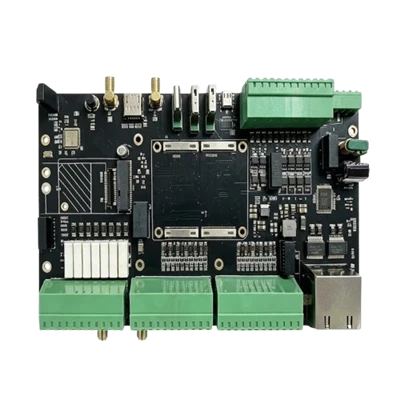
As the electronics industry continues to expand, printed circuit board assembly (PCBA) has become a critical stage in electronic product manufacturing. From smart home appliances and communication equipment to industrial control systems, the quality of PCBA directly affects product performance and long-term reliability. With standardized production procedures and precision automation equipment, surface-mount technology (SMT) enables efficient component assembly and provides a reliable foundation for a wide range of electronic devices.
The PCBA assembly process begins with engineering preparation and material verification. Engineers finalize the circuit design, PCB layout, and manufacturing files according to the product's functional requirements. Component specifications, package sizes, and quantities must also be confirmed. Before production begins, the circuit boards and electronic components are inspected to ensure that all materials meet the required quality standards.
The next stage is solder paste printing. Using a stencil, a printing machine deposits a controlled amount of solder paste onto designated PCB pads. The accuracy, thickness, and consistency of the printed paste are essential to achieving reliable solder joints. Printing parameters must therefore be carefully controlled, and inspection equipment may be used to verify the results before assembly proceeds.
Once printing is complete, an automated pick-and-place machine positions resistors, capacitors, integrated circuits, and other surface-mount components at their designated locations. These machines offer high placement accuracy and production efficiency, supporting a wide range of PCB designs. For fine-pitch components and advanced integrated circuits, precise alignment and correct component orientation are particularly important.
The assembled PCB then passes through a reflow oven. A carefully controlled temperature profile guides the board through preheating, thermal ramp-up, reflow, and cooling. This process melts the solder paste and forms electrical and mechanical connections between the components and the PCB. After soldering, the board undergoes visual inspection and, where appropriate, automated optical inspection (AOI) to identify issues such as component misalignment, missing parts, or soldering defects.
The final stage involves electrical testing, functional verification, and any necessary rework. Systematic quality checks and production record management help manufacturers identify process issues, improve consistency, and maintain product reliability.
As electronic products become smaller and more highly integrated, PCBA manufacturing continues to advance through greater automation and improved quality management. By standardizing production procedures, optimizing process parameters, and strengthening inspection practices, manufacturers can improve productivity while maintaining high product quality.