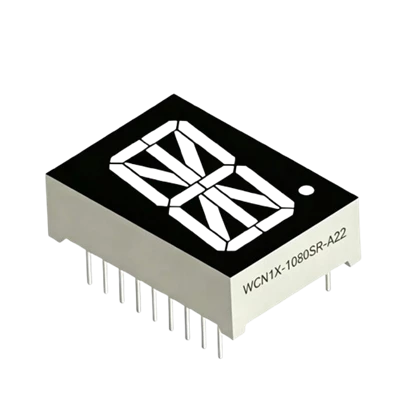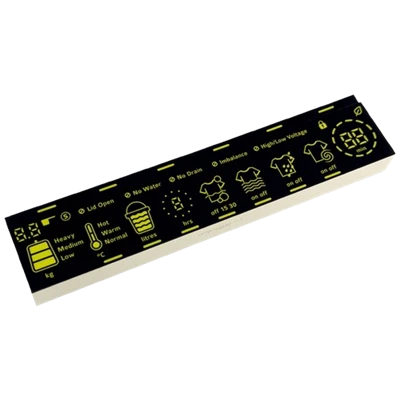

As electronic equipment, industrial automation, and intelligent control systems continue to evolve, digital information display has become an essential function across a wide range of electronic products. LED digital displays provide a practical way to present numerical information through an array of light-emitting diodes. Their clear visibility, fast response, stable performance, and flexible design make them suitable for applications across industrial, commercial, and consumer electronics.
The primary function of an LED digital display is to present numerical information clearly and intuitively. By controlling individual LED segments, the display can form numbers from zero to nine and, depending on its configuration, selected letters and symbols. Unlike more complex graphical display technologies, LED digital displays provide a straightforward way to communicate essential data, allowing users to quickly understand information presented by a device.
LED digital displays are also widely used for real-time status indication. Industrial control systems, electronic instruments, and automated equipment often need to present operating parameters such as temperature, pressure, quantity, time, voltage, and current. An LED display can present these values in an easy-to-read format, helping operators monitor equipment conditions and respond promptly when adjustments are required.
Another important function is rapid information updating. LED devices can respond quickly to signals from a driver circuit, making them well suited to counters, timers, electronic instruments, production equipment, and other systems where displayed values change frequently. When combined with an appropriate control and driving system, LED digital displays can provide stable and continuous numerical output.
LED displays can also support basic human-machine interaction in many products. In household appliances, charging equipment, and control panels, for example, users can rely on the display to check operating time, temperature, working modes, remaining values, and other essential information. Different display sizes, colors, brightness levels, and package configurations allow manufacturers to integrate these components into a wide variety of product designs.
Customization is another valuable feature of LED digital displays. Depending on application requirements, manufacturers can adjust character height, display color, brightness, dimensions, pin configurations, and electrical specifications to match different control systems. As electronic products become increasingly intelligent, compact, and reliability-focused, LED digital displays will continue to provide a practical and dependable solution for presenting numerical information across diverse applications.