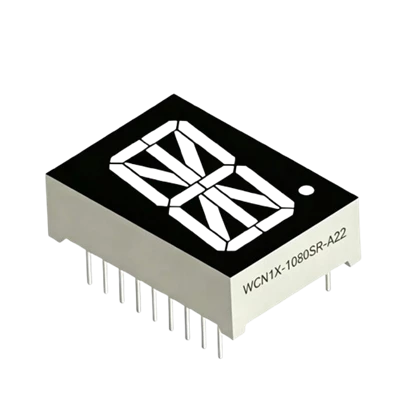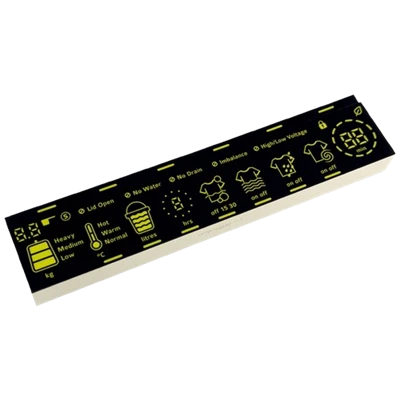

As electronic technology, industrial automation, and smart devices continue to evolve, digital display components have become an essential part of modern electronic products. LED digital displays remain a well-established solution for numerical information display, offering clear visibility, fast response, reliable operation, and a relatively simple structure. They are widely used in electronic instruments, industrial control systems, household appliances, and a variety of digital devices.
An LED digital display is an electronic display component that uses light-emitting diodes as its light sources. By controlling individual LED segments in different combinations, the device can display numbers, selected letters, and various symbols. A common design is the seven-segment display, which consists of seven individual LED segments arranged in a specific pattern. By switching different segments on or off, the display can form numerical characters from zero to nine as well as a limited range of letters and symbols.
The main components of an LED digital display typically include LED chips, a supporting frame, encapsulation materials, electrodes, and external terminals. Based on the internal electrical configuration, LED digital displays are commonly available in common-anode and common-cathode versions. Each configuration requires a compatible driving circuit, making electrical specifications and system requirements important considerations when selecting a display for a particular application.
Compared with some other numerical display technologies, LED digital displays offer high brightness, rapid switching, and long operating life. When operated within the recommended electrical and environmental conditions, LEDs can provide stable light output over extended periods. LED digital displays are also available in a wide range of sizes, colors, brightness levels, and package configurations, allowing manufacturers to integrate them into different types of electronic equipment.
Today, LED digital displays are commonly found in digital clocks, counters, electronic instruments, industrial control equipment, household appliances, charging devices, and control panels. Depending on application requirements, manufacturers can also customize display dimensions, character height, color, brightness, and package design to meet specific product and system requirements.
As a mature display technology, LED digital displays continue to offer practical advantages in applications where clear, reliable, and easily controlled numerical information is required. With electronic products becoming increasingly compact, intelligent, and reliability-focused, LED digital display technology is expected to remain an effective solution for a broad range of digital information display applications.