
Advances in SMD LED Design Support Compact and Efficient Lighting Solutions
As LED technology and electronic manufacturing continue to evolve, surface-mount LEDs are widely used in residential lighting, commercial displays, automotive electronics, and smart devices. Their compact construction, convenient installation, and high luminous efficiency make them valuable components in modern electronic products. Their structural design also influences light output, thermal performance, electrical connectivity, product reliability, and manufacturing efficiency.
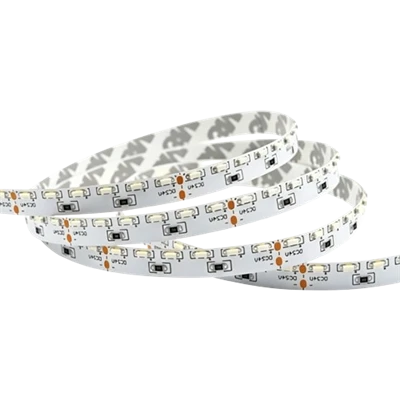
Surface-mount LEDs, commonly known as SMD LEDs, are light-emitting devices designed for installation on printed circuit boards using surface-mount technology. A typical SMD LED consists of a semiconductor light-emitting chip, a package substrate or support structure, electrical contacts, encapsulation materials, and optical elements. Depending on the required power rating, light color, and operating environment, manufacturers may use different package designs and materials.
The semiconductor chip is the core component responsible for converting electrical energy into light. When an appropriate current passes through the chip, it emits light of a specific wavelength. Electrical contacts connect the device to the external circuit and provide a conductive path for current. Well-designed contacts help maintain reliable electrical connections and support stable operation.
Encapsulation materials and optical components also play important roles. The encapsulation protects the internal chip and electrical contacts from environmental influences. Depending on the design, lenses, reflectors, or diffusing materials can help control the direction, beam angle, and uniformity of the emitted light. Different package sizes and optical configurations allow SMD LEDs to serve applications ranging from indicator lights and decorative displays to general illumination.
SMD LEDs typically connect to PCB pads through electrodes located on the bottom or sides of the package. This design supports automated placement and high-volume manufacturing. Compared with conventional through-hole components, their compact footprint helps improve board-space utilization and enables the development of smaller, lighter, and more highly integrated electronic products.
Thermal management is another essential aspect of SMD LED design. Heat generated during operation must be transferred through the package, solder joints, and printed circuit board. Inadequate heat dissipation can reduce light output, affect performance, and shorten service life. Engineers must therefore consider power ratings, PCB materials, and cooling requirements to maintain reliable operation.
As smart lighting and electronic devices continue to advance, SMD LED technology is moving toward smaller packages, higher luminous efficacy, and improved reliability. Continued improvements in chip packaging, electrode design, and thermal management will expand its applications and provide more efficient and flexible solutions for modern lighting and electronics manufacturing.