
Surface-Mount LED Technology Expands Its Role in Modern Lighting and Electronics
As LED technology and electronic manufacturing continue to advance, surface-mount LEDs are becoming increasingly common in residential lighting, commercial displays, automotive electronics, smart devices, and industrial control systems. Their compact size, low power consumption, fast response, and flexible integration make them valuable components in modern electronic products. Beyond general illumination, these devices also serve important roles in status indication, decorative lighting, and visual feedback.
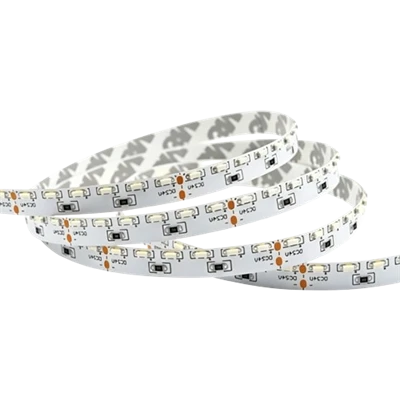
One of the primary functions of surface-mount device LEDs (SMD LEDs) is to provide illumination. Available in different package sizes, colors, and power ratings, they can accommodate a wide range of lighting requirements. SMD LEDs are widely used in LED strips, panel lights, downlights, and decorative fixtures, where they provide general or supplemental lighting. With appropriate component placement and optical design, manufacturers can achieve more uniform light distribution and meet the brightness requirements of different environments.
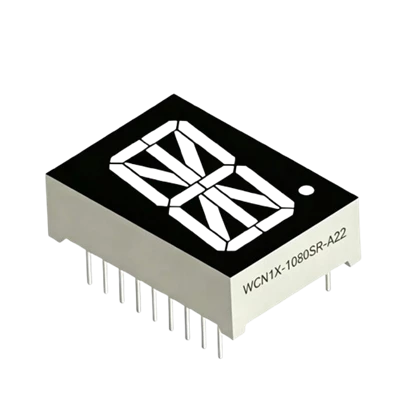
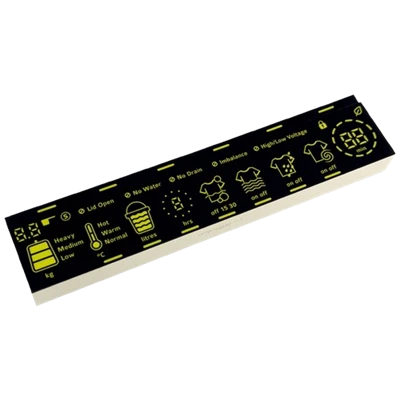
Status indication is another important application. In household appliances, communication equipment, and industrial control panels, SMD LEDs help communicate operating conditions, selected modes, and potential faults. For example, different colors can indicate whether a device is powered on, operating normally, or requires attention. These clear visual signals make equipment easier to monitor and operate.
SMD LEDs also play a significant role in decorative lighting and visual displays. By combining red, green, blue, and other LED colors, manufacturers can create multicolor effects for advertising signs, electronic displays, automotive interiors, and seasonal decorations. When paired with suitable control circuits, these LEDs can support brightness adjustment, color changes, and dynamic lighting sequences, enhancing the visual appeal of a product or environment.
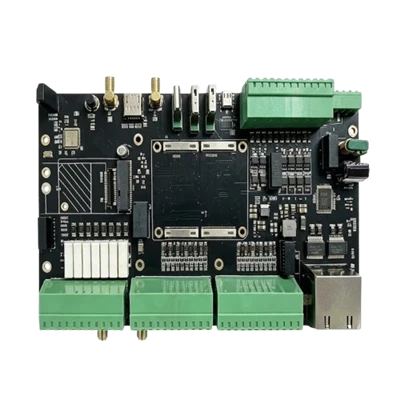
Their compact dimensions and compatibility with automated surface-mount assembly also make SMD LEDs suitable for high-density electronic designs and efficient mass production. However, their performance and service life depend on factors such as drive current, thermal management, package quality, and circuit design. Proper electrical and thermal control is essential for maintaining consistent light output and reliable operation.
As smart home technology, automotive electronics, and energy-efficient lighting continue to grow, SMD LED technology is evolving toward higher luminous efficacy, greater functionality, and improved reliability. Ongoing advances in component design and control systems will further expand its applications, providing versatile and efficient solutions for modern lighting and electronic devices.