
As residential renovations, commercial construction, and lighting technologies continue to evolve, the quality of lighting installation has become increasingly important. Correct installation affects not only illumination performance but also electrical safety, equipment lifespan, and everyday usability. To achieve reliable results, installers must consider the type of fixture, the installation environment, and the applicable electrical requirements.
Before installation, the fixture's position, mounting height, and intended lighting coverage should be determined according to the needs of the space. The installer should check the rated voltage, power consumption, mounting method, and manufacturer's instructions. The mounting surface must also provide adequate structural support, and all necessary junction boxes, brackets, and installation accessories should be available. For pendant lights, ceiling fixtures, and recessed lights, dimensions should be verified in advance to prevent fitting problems or insecure mounting.
Electrical safety is the most critical part of the installation process. The relevant power supply must be switched off before work begins, and the absence of voltage must be verified using an appropriate testing method. Wiring should follow the manufacturer's instructions and applicable local electrical codes. All connections must be secure, insulation must remain intact, and protective grounding must be provided where required. Work involving fixed wiring, elevated installation, or complex electrical systems should be performed by qualified professionals to reduce the risk of electric shock and fire.
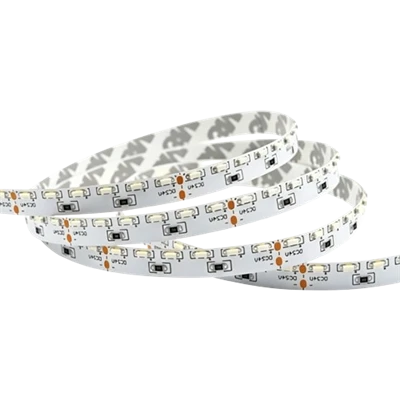
Different lighting products have specific installation requirements. Ceiling lights and pendant fixtures must be securely attached to suitable structural supports. Downlights and spotlights require careful checks of cutout dimensions, installation clearance, and heat dissipation. LED strip lights need a compatible power supply, a clean mounting surface, adequate ventilation, and correct electrical connections. In humid areas such as bathrooms, kitchens, and outdoor spaces, fixtures should have an appropriate ingress protection rating, with particular attention paid to the protection of power connections.
After installation, the fixture's mounting stability, wiring, switch operation, and lighting performance should be checked. Once all components have been confirmed to be correctly installed, a qualified person can restore power and test the system. If flickering, unusual noise, excessive heat, or intermittent connections occur, the fixture should be switched off and inspected before further use.
As smart lighting becomes more common, some fixtures also require controller pairing, network configuration, or dimming adjustments. Following the manufacturer's instructions, complying with electrical safety requirements, and conducting thorough final checks can improve system reliability and provide a safer, more comfortable lighting environment for homes and commercial spaces.