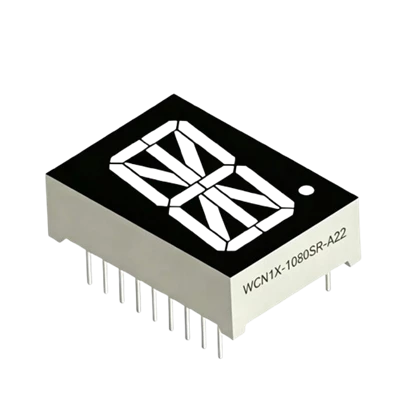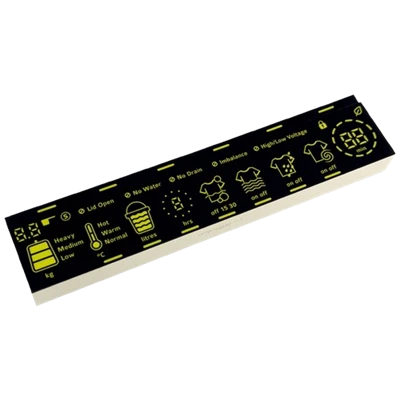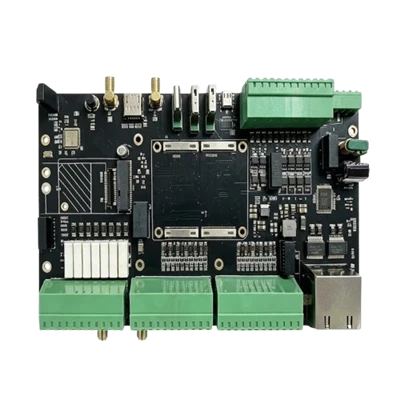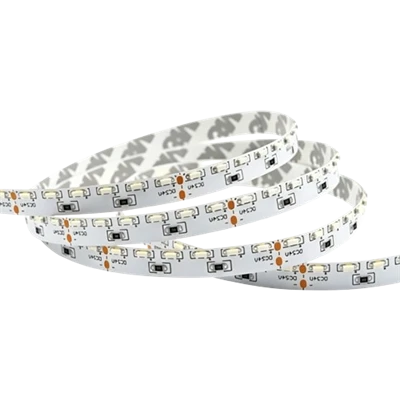

As LED lighting technology and electronic manufacturing continue to evolve, surface-mount LEDs are gaining widespread use thanks to their compact size, flexible installation options, and high luminous efficiency. These components play an important role in residential lighting, commercial decoration, electronic equipment, and industrial control systems, helping meet growing demand for smaller, more integrated, and energy-efficient products.
A surface-mount light generally refers to a light-emitting device installed directly onto a printed circuit board using surface-mount technology (SMT). One of the most common examples is the surface-mount device LED, or SMD LED. These components connect to PCB pads through surface electrodes and are typically assembled through solder paste printing, automated component placement, and reflow soldering. Compared with conventional through-hole components, SMD LEDs offer a compact design, high component density, and compatibility with automated manufacturing.
Structurally, an SMD LED typically consists of a semiconductor light-emitting chip, electrical contacts, encapsulation materials, and optical elements. When current passes through the chip, it generates light. The encapsulation protects the internal structure and helps determine the optical characteristics of the finished component. Different package sizes, emission colors, and power ratings allow SMD LEDs to serve a wide range of applications, from indicator lights to decorative and general lighting.
SMD LEDs are widely used in LED strips, panel lights, tube lights, automotive lighting, electronic indicators, and display equipment. In residential settings, they provide flexible lighting solutions for cabinets, ceiling features, and decorative fixtures. In electronic devices, they are commonly used for status indicators, signal notifications, and backlighting. Manufacturers can select suitable components based on available space, brightness requirements, and electrical specifications.
The performance and service life of an SMD LED depend on several factors, including drive current, operating temperature, thermal management, and soldering quality. Appropriate driver circuit design, effective heat dissipation, and reliable solder joints are essential to maintaining stable operation and extending component life.
As smart lighting and electronics manufacturing continue to develop, SMD LED technology is moving toward higher luminous efficacy, smaller packages, and improved reliability. Advances in packaging, manufacturing processes, and thermal design will further expand its role in modern lighting and electronic products, providing versatile and efficient light-emitting solutions.