
As LED technology and electronic manufacturing continue to advance, surface-mount LEDs are being used in an expanding range of applications, including residential lighting, commercial displays, automotive electronics, consumer devices, and industrial control systems. Their compact size, low power consumption, fast response, and compatibility with automated manufacturing make them valuable components in modern electronic products. Beyond illumination, they also support status indication, signal notification, and decorative lighting effects.
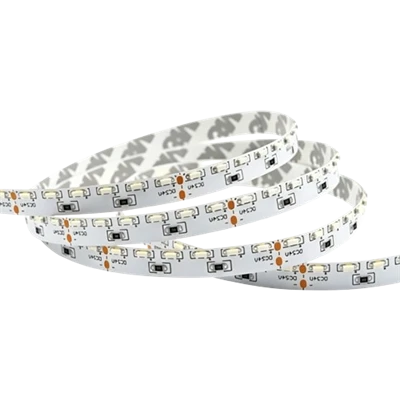
In residential lighting, surface-mount device LEDs (SMD LEDs) are widely used in LED strips, ceiling lights, panel lights, downlights, and cabinet lighting. By arranging LEDs with suitable specifications and spacing, manufacturers can achieve consistent light distribution for living rooms, bedrooms, kitchens, and other indoor environments. Some products also support dimming and adjustable color temperature, allowing users to tailor the lighting to different activities and preferences.
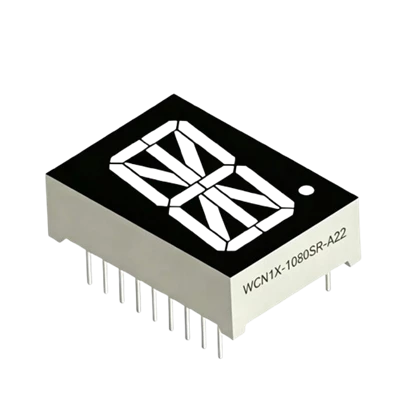
In commercial displays and advertising, SMD LEDs are commonly incorporated into electronic display panels, illuminated signs, product showcases, and decorative fixtures. By combining LEDs in different colors with appropriate control circuits, manufacturers can create multicolor displays, adjustable brightness, and dynamic lighting effects. These capabilities help attract attention, enhance product presentation, and strengthen brand visibility.
Automotive electronics is another important application area. SMD LEDs are used in instrument clusters, control panels, interior ambient lighting, and certain exterior lighting systems. Their compact packages help save installation space while meeting specific requirements for color, brightness, and response time. Components intended for automotive use must also satisfy demanding requirements for reliability, temperature resistance, and service life.
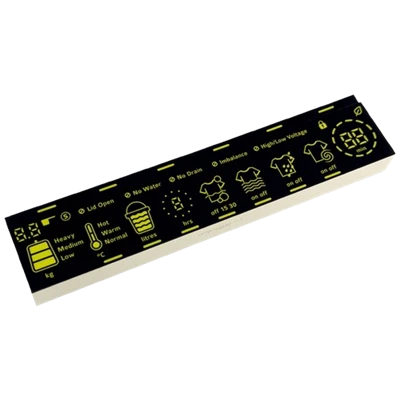
SMD LEDs also play an important role in household appliances, communication equipment, wearable devices, and industrial control systems. Indicator lights can communicate power status, operating modes, and fault conditions, helping users understand how equipment is functioning. In industrial environments, they are frequently integrated into control panels and status monitoring systems to improve visibility and operational efficiency.
As smart homes, electric vehicles, and energy-efficient lighting continue to develop, SMD LED technology is moving toward higher luminous efficacy, smaller packages, and greater reliability. By selecting appropriate package sizes, electrical specifications, and thermal management solutions, manufacturers can meet diverse product requirements and deliver versatile, dependable lighting solutions for modern electronics.