
As lighting technology and electronic manufacturing continue to advance, lighting fixtures have become essential in everyday life and industrial operations. From residential buildings and commercial facilities to factories and public roads, lighting fixtures provide the illumination needed for a wide range of activities. They also contribute to visual comfort, workplace safety, and the overall quality of indoor and outdoor environments.
A lighting fixture is a device designed to distribute, control, and direct light from a light source while providing the necessary support, protection, and electrical connections. A typical fixture consists of a light source, housing, optical components, a power supply or driver, and mounting hardware. Depending on its design and intended application, it may also incorporate heat-dissipation components, dimming modules, or smart control systems.
One of the primary functions of a lighting fixture is to provide adequate illumination for everyday activities, industrial operations, and public transportation. Fixtures also use optical components, such as reflectors, lenses, and diffusers, to control the direction and distribution of light. These features can help reduce glare and improve visual comfort. In addition, lighting fixtures play an important decorative role, as their shapes, light colors, and installation methods can influence the atmosphere and appearance of a space.
Lighting fixtures can be classified according to their applications, including residential, commercial, industrial, street, and landscape lighting. Ceiling lights, pendant lights, and downlights are commonly used indoors. High-bay lights and specialized protective fixtures serve industrial environments, while streetlights and landscape luminaires illuminate roads, plazas, gardens, and other outdoor areas. Each category has specific requirements for brightness, light distribution, ingress protection, and installation.
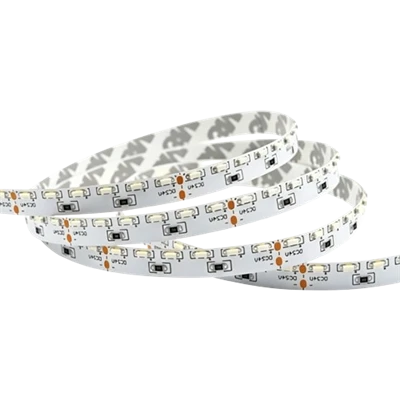
In recent years, LED technology has become a leading choice for lighting fixtures because of its energy efficiency, long service life, and flexible control options. Features such as dimming, adjustable color temperature, occupancy sensing, and remote operation are also becoming increasingly common, helping drive the development of more efficient, intelligent, and customizable lighting systems.
As green building initiatives and smart city projects continue to expand, lighting fixtures are evolving beyond basic illumination devices into integrated lighting solutions that prioritize efficiency, comfort, and intelligent control. These developments are helping create better lighting environments for modern living and industrial applications.