

Choosing between SMD and through-hole LEDs is not simply a matter of deciding which type is newer or brighter. The right choice depends on PCB space, production methods, optical requirements, maintenance needs and the operating environment.
What Is the Difference?
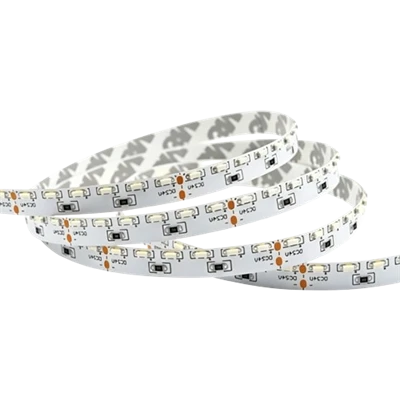
An SMD LED is mounted directly onto the surface pads of a PCB. It is compact and compatible with automated surface-mount assembly.
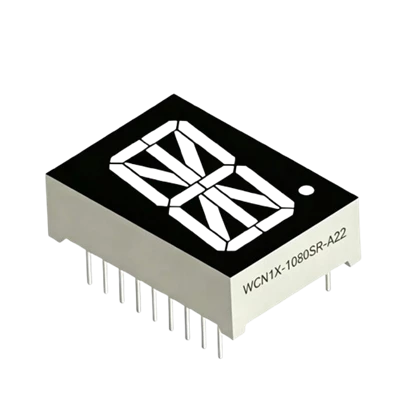
A through-hole LED has metal leads that pass through holes in the PCB before being soldered. Its leaded package remains useful for many indicator, control and manually assembled products.
SMD vs Through-Hole LED Comparison
表格
| Factor | SMD LED | Through-Hole LED |
|---|---|---|
| Package size | Compact and low-profile | Generally larger with visible leads |
| PCB mounting | Surface pads | Plated through-holes |
| Typical assembly | SMT placement and reflow soldering | Insertion and wave or manual soldering |
| Component density | Suitable for dense layouts | Usually requires more board space |
| Optical design | Wide range of compact packages | Common round epoxy lens designs |
| Prototyping and repair | Requires suitable rework tools | Often easier for manual replacement |
When Should You Choose SMD LEDs?
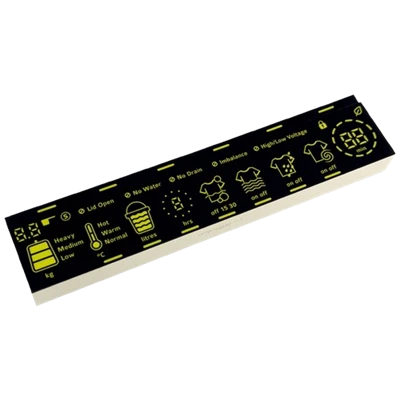
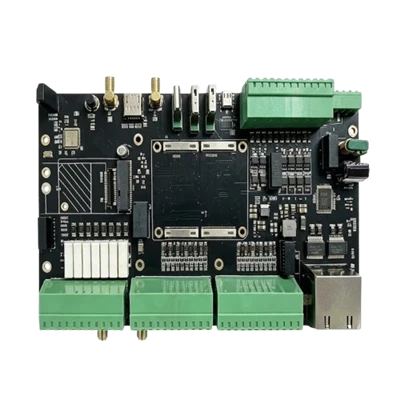
SMD LEDs are suitable when board space is limited, a low-profile design is required or automated production is planned. They are widely used in LED strips, panel lights, backlighting, compact electronics and high-density control boards.
Their small size provides greater layout flexibility, but designers still need to consider heat transfer, solder joint quality and optical requirements.
When Are Through-Hole LEDs a Practical Choice?
Through-hole LEDs remain useful for status indicators, control panels, appliances, prototypes and products that may require manual assembly or replacement.
Their leaded packages and familiar lens shapes can simplify certain indicator designs. However, the holes and leads require additional PCB space and a suitable soldering process.
Reliability Depends on More Than Package Type
Neither package is automatically more reliable in every application. Drive current, operating temperature, thermal design, soldering quality and environmental conditions all affect performance and service life.
Before making a final selection, compare the datasheet, PCB layout, production process, optical requirements and maintenance expectations. The best LED package is the one that fits the complete product design-not only the available space.